Understanding VLT in Sports Sunglasses (And How to Choose the Right Lens)
Choosing the right sports sunglasses can make a huge difference to your performance and comfort outdoors.
I’ve tested plenty of pairs over time—some too bright, some too dark, and others just not suited to the conditions.
In this guide, I’ll break down what VLT (Visible Light Transmission) means, how polarised lenses work, and how to choose the right lenses for sports like padel, paddleboarding, golf, and everyday use.
You can explore our full range of sports sunglasses in the UK here: Shop Sports Sunglasses.
What is VLT?
VLT (Visible Light Transmission) refers to how much light passes through a lens.
- High VLT (50–90%) – lighter lenses, more light comes through
- Medium VLT (20–50%) – balanced for mixed conditions
- Low VLT (5–20%) – darker lenses for bright sunlight
In simple terms: the lower the VLT, the darker the lens and the more glare it blocks.
What Are Polarised Lenses?
Polarised lenses are designed to reduce glare caused by light reflecting off flat surfaces like water, courts, or roads.
- Reduce harsh reflected glare
- Improve visual clarity and comfort
- Help reduce eye strain over time
They don’t necessarily make lenses darker—but they make vision sharper and more comfortable, especially in bright conditions.
VLT controls how dark the lens is, while polarisation controls how much glare is reduced.
Why VLT Matters in Sport
Different sports put different demands on your vision.
The right lens should help you:
- Reduce glare in bright conditions
- Track movement clearly
- Stay comfortable over long sessions
- Avoid eye strain and squinting
Choosing the wrong VLT can make things harder—especially in fast-paced or high-glare environments.
Best VLT for Different Sports
Padel & Racket Sports
Recommended: 10–18% VLT
Padel involves fast reactions and often looking up into bright light.
- Reduces glare from the sun
- Keeps the ball visible and sharp
- Avoids going too dark during rallies
Polarised? Optional – can help with glare, but some players prefer non-polarised for maximum contrast and ball tracking.
Paddleboarding & Water Sports
Recommended: 8–15% VLT
Water reflects sunlight, which increases glare significantly.
- Cuts harsh reflections off the water
- Improves visibility on the surface
- Reduces eye fatigue over long sessions
Polarised? Yes – highly recommended for water to reduce reflection and improve visibility.
Golf
Recommended: 15–30% VLT
Golf relies heavily on contrast and depth perception.
- Helps read greens and terrain
- Enhances contrast between grass and shadows
- Avoids overly dark vision
Polarised? Mixed – some golfers prefer non-polarised lenses to better read greens, while others like the comfort of reduced glare.
Walking & Everyday Use
Recommended: 20–40% VLT
For general use, flexibility is key.
- Comfortable in mixed light conditions
- Not too dark when moving between sun and shade
- Ideal for long wear
Polarised? Yes – great for reducing glare from roads and surfaces during everyday use.
Are Photochromic Lenses Enough?
Photochromic lenses (light-reactive lenses) are great for convenience, but they do have limitations.
- They don’t always get dark enough in strong sunlight
- Performance can vary depending on conditions
- They can feel too bright for high-glare sports
They’re a solid all-round option—but not always the best choice for sports like padel or water activities in full sun.
Shop Sports Sunglasses
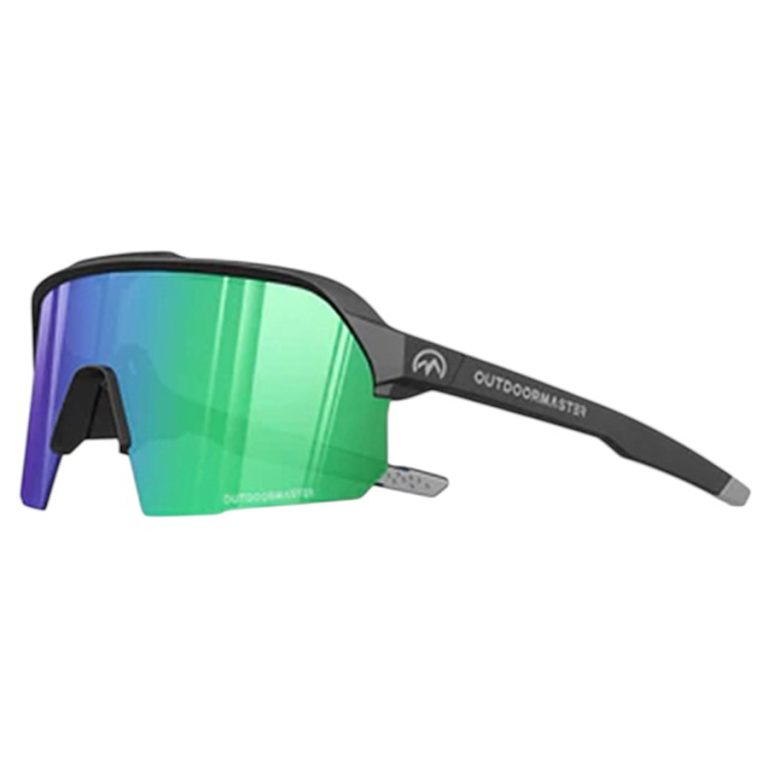
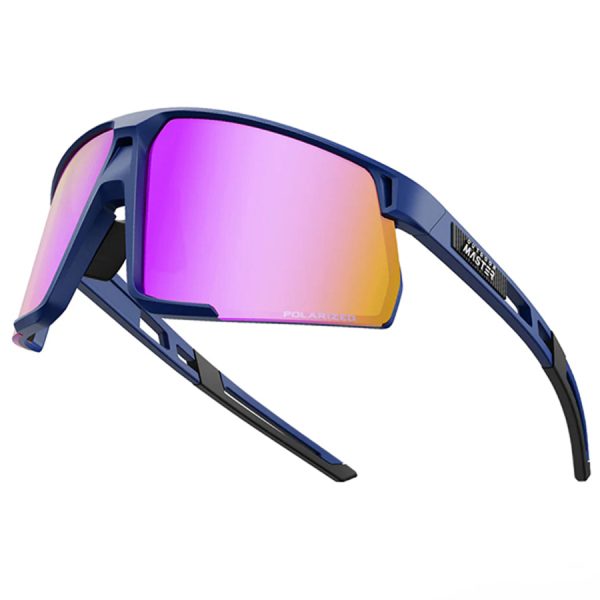
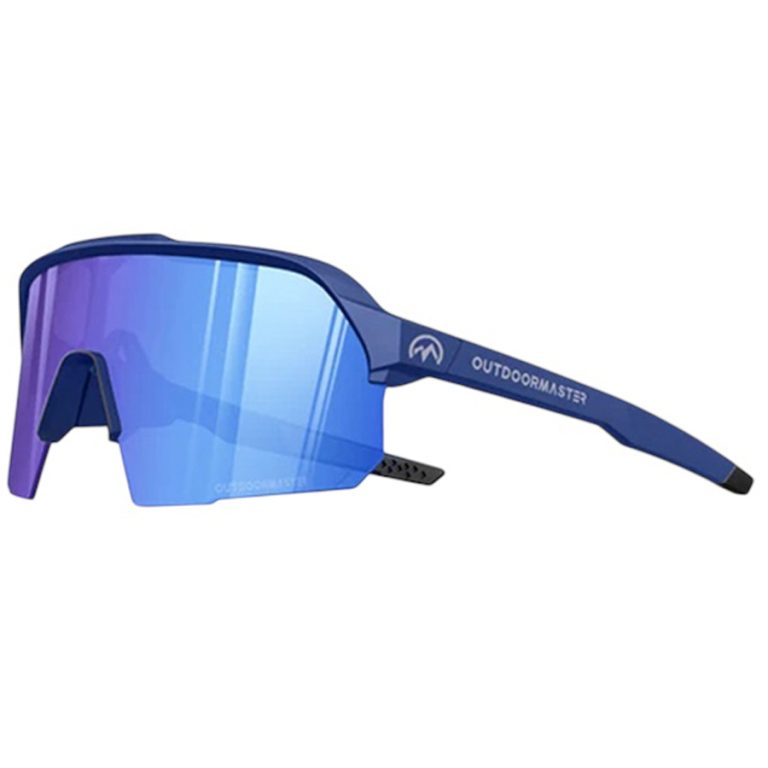
If you’re looking for high-performance sports sunglasses in the UK, you can browse the full range below.
Final Thoughts
If you’re choosing sports sunglasses, understanding both VLT and polarisation is key.
The right combination won’t just protect your eyes—it will improve how you see, react, and perform.
For me, the biggest difference has been simple—less glare, clearer vision, and no distractions when it matters.
Once you get the right setup for your sport, you’ll notice it straight away.
You can explore more products and guides on the FCUP Sports homepage.
FAQs
What VLT is best for bright sunlight?
Lenses around 10–18% VLT are ideal for bright conditions and sports.
Are polarised lenses better?
They’re excellent for reducing glare, especially on water or roads, but may not always be preferred for fast ball sports.
Where can I buy sports sunglasses in the UK?
You can shop a full range at FCUP Sports.

